UGC is short for user generated content, and it is a platform where users can post their content through social media platforms such as Twitter, Instagram, Tumblr, YouTube etc. The content posted will usually be the content that users themselves like to share with the world or are highly requested by their viewers. This seems to be the case for youtubers as their content are greatly influenced by what their viewers want to see. Examples are parodies from popular music videos, brand reviews or sometimes just personal experiences that they face e.g storytimes (which is my favourite as I am a KPO hehehe).
Mini video
In conjunction with UGC, my team and I have come up with a skit that comprises of 4 main platforms that is based on the ideology of today’s society. we incorporated the Uses and Gratification Theory in the video to show that what are some of the needs that are fulfilled in using these platforms. My team members are Siva, Angel, Josie, JY and myself!
lame group name but enjoy watching!
The first scene shows 2 girls looking through Instagram and liking photos of females with good-looking features and who are famous as well. Those photos generated thousands of likes. Then comes another girl who shows a picture of a scenery that she has taken and has uploaded on her profile, with very little likes. She then asked if they had seen the photo and wondered why they did not “like” the photo. The message that we are trying to convey is that users will generally be more inclined to like pictures that shows facial features and especially that shows skin.
Second scene shows 2 reporters who wants to uncover the ugly truth of the pandemic of what Singapore is going through which is COVID-19. One of them will go undercover as a desperate citizen in need of masks and meets up with a “dealer” who seize the opportunity of the crisis and decided to sell the item at a ridiculous price. Using the platform of Twitter, in hopes of making the video viral. We think Twitter is the appropriate platform as it is considered the provider of unofficial news coverage that traditional media will not report on.
Third scene is the combination of TikTok and WhatsApp whereby a user sees a cute video on Tiktok and shares it with her contacts through WhatsApp. It implies that users will share just about anything that they enjoy and of their preference, and this can be both good and bad. Bad in a sense that they might be blindly following news spread online and not founding out if the source is credible.
My team and I hehehehe
How UGC changed the way I view and understand mainstream traditional media?
To me, UGC has made users more confident in being to express their views and speak what they think is valid. Having social media platforms and utilizing it to express views and to be able to explore different perspectives gives an edge that traditional media could never achieve.
I used to heavily rely my entertainment on television. There are some shows that will be only be on one timeslot of the day and if that particular show happens to be my favourite show, I will need to plan my schedule in such a way that I will be able to watch it without interruptions. Now, I can easily watch my shows on my phone and can even download the episodes beforehand so I can watch it without using my data, thanks to Netflix and other streaming apps. Back then, it is required to have cable network e.g Mio, Starhub to watch external channels such as Disney, Nickelodeon. Now, it is easily accessed through the Internet.
UGC has made life much easier in a way that it has made accessible for anyone who has a stable internet connection. But, it should be used in moderation as I just got to know in today’s lesson that Singapore is the 2nd most internet addicted in the world!!! Hence it is important to just put the phone down and spent quality time with family and friends!
This post concludes the end of my blogpost and it’s also my final blogpost! Hope you guys had a great time as I did throughout this blogging journey! Till next time, xoxo
Hi everyone, welcome back to my blog! For today’s post, I will be sharing what my team and I had designed for our subvertisement poster that is themed “What is feminism in 2020?” I will too share my personal view of what feminism is in today’s world so do scroll down for more! 🤩
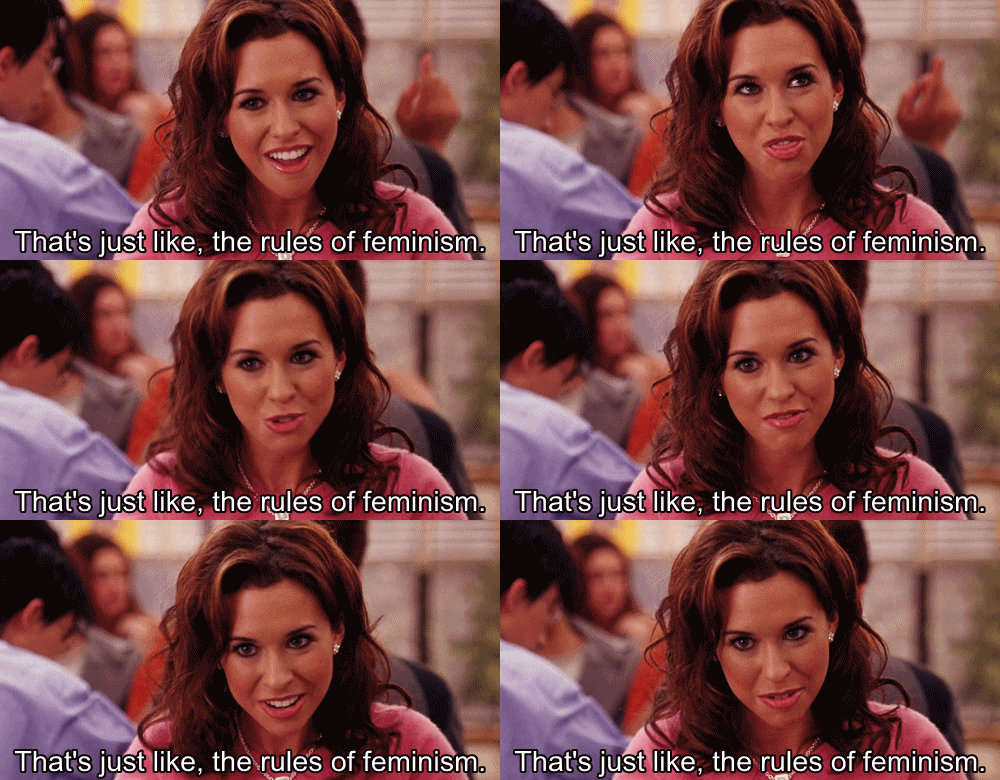
one of my favourite characters from Mean Girls LOL
Poster
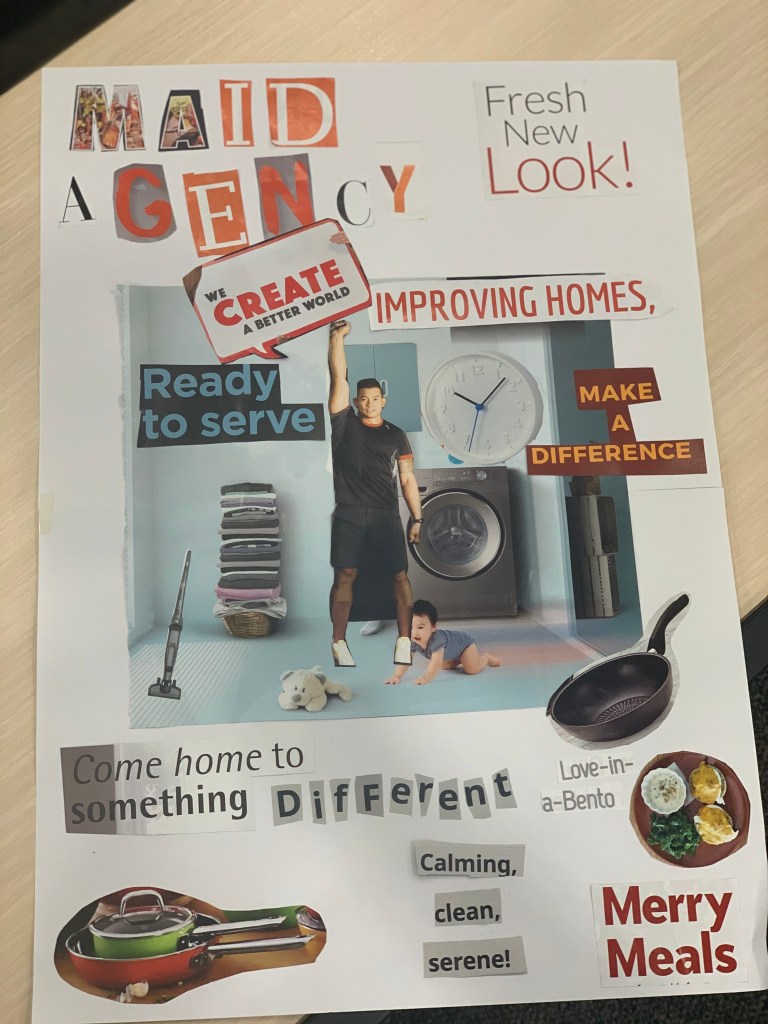
I have attached a poster that my team (Nicole, Jingying, Akshaya and Shern) and I created in one hour and we are pleased with the outcome, despite having to change our ideas several times HAHAHA & I wanted to include a group photo but for some reason, I couldn’t 😦 hence only the poster sorry!!!
The purpose of the poster is to show that women are not the only ones who should be made to do housework. We decided on the concept of a maid agency as the stereotype is usually that women would be employed as domestic workers and that they are paid to do take care of the employer’s house and also their children, if any. There is also the stereotype that men that would the ones who do not do the work around the house, as they are “usually out, hustling for the money.”
The caption “come home to something different” implicates that there is a different gender that is handling the house chores. The appliances indicates that the males should be able to cook, clean and the image of a baby is implying that they too should be capable to take care of their own children without guidance.
My thoughts
I feel strongly for the message we are trying to send as there are plenty of incidences that I have seen in real life and on Malaysians dramas whereby the female have the sole responsibility to ensure that the house is kept neat and tidy. Not only that, there is also a “rule” whereby females in the house have to serve the males food before serving for themselves. This seems to be the case in certain Malay households and that there are some who have expressed their distaste in this particular culture as the males should be more than capable to be serving their own food, without being served. It is as though they are in denial that they should be doing anything to help out around the house
My stand – there should be equal partnership in helping out around the house, as they too are living under the same roof. There should not be any excuses as to justify why males should be slacking when it comes to house chores as they are physically able.
#MeToo Movement
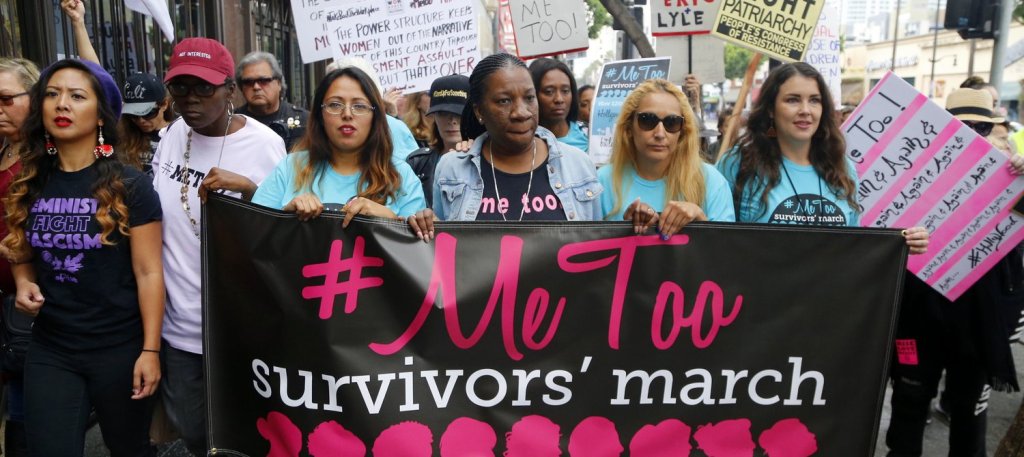
There is also a movement that I have known for quite some time that has been circling around social media, particularly Twitter that has been used numerous times to indicate the events that involves sexual harassment among women.
#MeToo is a campaign founded by Tarana Burke in 2006 about raising awareness of the prevalence and pernicious impact of sexual violence (North, 2019). Since then, there have been numerous occasions whereby the hashtag has been used to address the importance for women to speak up and shun away from their unfortunate experience. Infamous cases such as the trail of the former USA Gymnastics team doctor, Larry Nassar, who has been sentence 40-175 years in prison for sexually harassing more than 100 young athletes. As quoted by (North, 2019), “During his sentencing hearing, 163 people gave moving and at times heartbreaking testimony about how his abuse had harmed them and their families.”
Another case is of movie producer Harvey Weinstein, who has been accused of sexual misconduct. After the news broke, hundreds of thousands of women around the world responded to the news on social media using the hashtag #MeToo to share their stories and to show how widespread the issue of sexual harassment is (Selby, 2017).
Conclusion
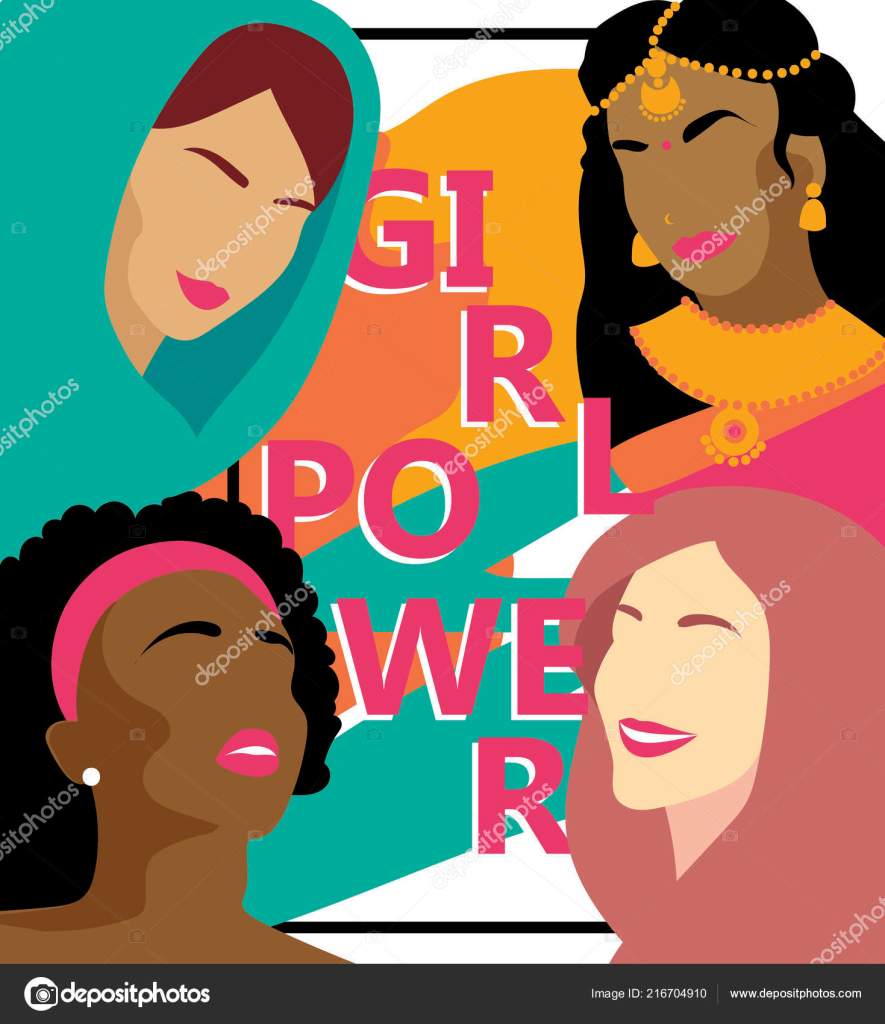
The very idea of feminism is to get equal rights and it is ridiculous that women, despite being the only gender to be able to birth another human being is being denied of their own rights in society. But with a united front and having support from each other, demands for equal rights seems to be in favour of women. #girlpower
That concludes the end of this blogpost! Till next time, xx
Hello errrbody! welcome back to my blog hehehe today I have something personal that I wanna share about the media ownership. Yes I know yall are thinking that it’s gonna be a lengthy post but bear with me ok? And a disclaimer, these are my personal opinions and not trying to condemn anyone especially the government as I don’t want to be in trouble HAHAHA okay let’s start!
Thoughts of Media in Singapore
What we see in the media is not controlled by us, at least in Singapore. This is because the government is the only one that has the ultimate power to allow what type of media that can be broadcasted in mainstream media. The public pretty much has no say in what type of media to broadcast, however most of the news can be retrieved from social media. As an avid social media user in this day and age, it is very important to be able to express our thoughts freely. Being active audience, we can make a choice and not be influenced in what the media is conveying.
Using social media enables users to interact and respond instantly. This also gives the users the opportunity to have an opinion and they have the freedom to speak up about pressing issues without fear. When the government is controlling the media, the audience were afraid to express their views, especially of those who opposed the views of the government as oppressors can be slapped with a fine or be thrown in jail, jeopardising a clean record. One example would be the opposition leader, Chee Soon Juan.
Personal experience
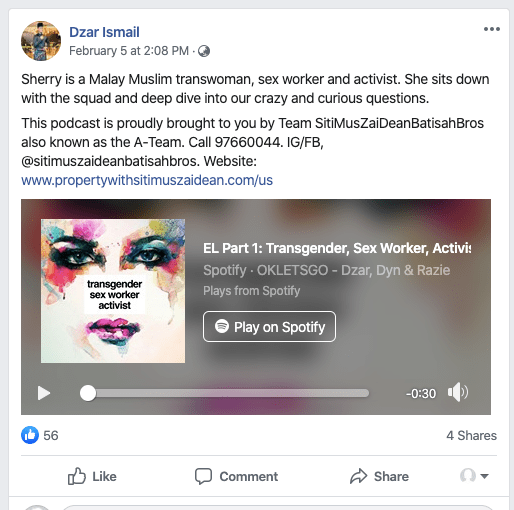
A personal experience of mine with private media is listening to podcasts on Spotify. One podcast in particular is produced locally by a team of 3 men, titled OKLETSGO. They were ex-radio DJs of various Malay radio stations in Singapore. Most of their podcasts are in Malay, with a newly added and highly requested segment of their podcast in English once a week. It will take typically around 3 hours for them to cover a whole topic, which will be split into 3 different parts. They are the No. 1 podcast on Spotify and they discussed about anything and everything. Invited speakers who are local will be able to come forward and share their interesting stories during a particular time in their lives. They have interviewed people from various backgrounds, from a social escort, to ex-convicts to a transsexual sex worker.
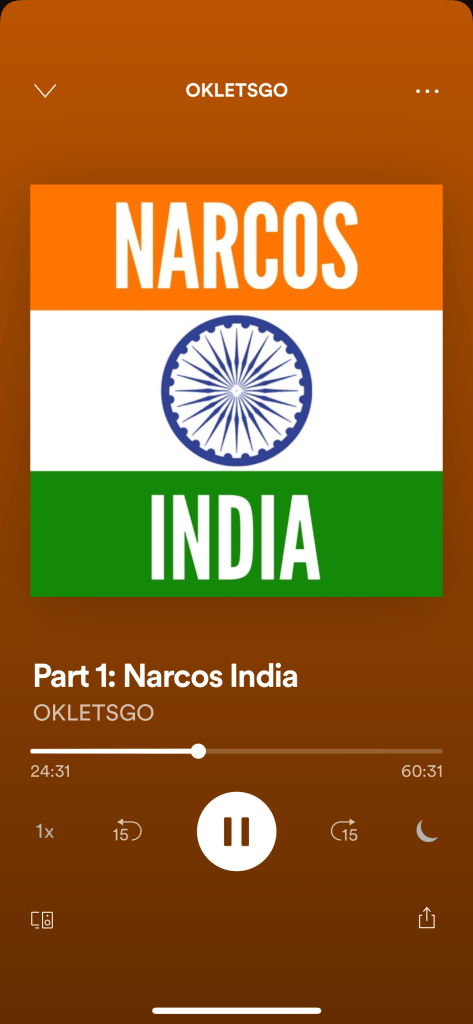
One of the stories that have been very interesting that I can still recall would be when the guest speaker was a drug dealer and was dealing in India and that he had been caught and sentenced to 10 years imprisonment in India. He then shared how he got into dealing in the first place, how prison life is like in a foreign country and the challenges he faced throughout the 10 years.
There has been hardly any occasion where the mainstream media will interview someone who has a tainted record or history, so as to not tarnish the company reputation and also to not let the public know there are such people in the community. The stories that I have heard through the podcast has given me a great insight on what people have gone through and has taught me many valuable life lessons as well.
The hosts were very engaging with the guests as well, making jokes in between and it was engaging for me as well as I find myself laughing along their jokes and sometimes understand what the guests were feeling when they are telling their life stories. I find that I was able to connect while only just listening as some of the topics discussed are considered taboo in mainstream media.
To end off, having a sense of connectivity and engagement through media is very important as it enables users to be able to speak and feel what they have been going through and the type of media will affect the outcome. Having the government controlling the media will restrict the audience by doing so. It does matter who controls the media as it controls the information the audience should receive and interpret. In my opinion, private media is better as the audience will be able to get any information that they need to know and having the chance to express freely can reduce any unnecessary tension between the public and government.
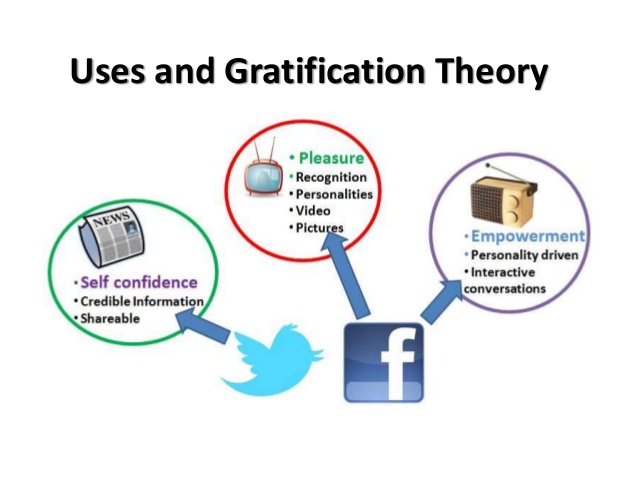
Welcome back everyone! I will be sharing more about how the media can influence the public. In this blog post, I will be going in depth on what uses and gratification model is all about.
So, what is it?
It is used when people use media to gratify specific wants and needs. This model sees users as active participants who are motivated to take control of their media consumption.
Uses and gratifications research has uncovered quite a number of motivations that people usually have for consuming media such as force of habit, companionship, relaxation, passing the time, escape, and information. Various studies have also been performed on different types of media, from radio to social media.
The 5 types of needs
Cognitive needs: People use media to find out for knowledge, information, facts, etc. Different people have different needs. For example, quiz programs on television give factual knowledge; to know about the current affairs, users need to watch the news regularly; search engines on the internet are also very popular since users can browse for any topic with ease.
Affective needs: It includes different types of emotions, pleasure and moods of people. People use media such as television, to satisfy their emotional needs. An example would be when a sad scene is being played, the audience will express emotions of sadness and they will tear up/cry.
Personal Integrative needs: This is the self-esteem need. People use media to reassure their status and to gain credibility. People can watch television and able to assure themselves that they have a respectable status in society. For example, when watching advertisements such as jewellery, furniture and apparel ads; those who are intrigued by those ads will buy the products so that they are able to have a change in lifestyles. And through this, the media has a part to play.
Social Integrative needs: It includes the need to socialise with family, friends and other important relations in society. In today’s world, it is uncommon to have weekly interactions in the form of gatherings as the use of social networking sites on the internet such as Facebook, Twitter, and Skype are able to satisfy what the people needs without spending much effort. Not only that, with the recently popular media service provider like Netflix, users can share up to 4 different devices in just one account. It is easier for users to stream TV shows and movies seamlessly on their devices and to share what are the latest shows to watch.
Tension free needs: People sometimes use the media as a means to “escape” from the real world and to relieve from tension and stress of everyday life. For example, people tend to relax and take their mind of f things while watching television, listening to songs on the radio, surfing the internet for retail therapy, etc. The media has an advantage of capturing the user’s attention as it resonates with their feelings and their current situation. However, different people will react differently to the media they are exposed to. For example, certain users will get a certain level of tension and stress while watching a football match whereas certain users will have a different emotion such as relaxation while watching it.
Case studies
The emphasis of individual differences has made researchers analyse how personality impacts one’s motivation for using social media. A study by the Virginia Polytechnic Institute and State University focuses on people who possess personality traits such as neuroticism and extroversion to know if there are people with different personality traits would associate with having different motives when watching television. Results show that those with neurotic personalities included passing time, companionship, relaxation and stimulation as their motivation. However, it is the exact opposite of those who have extraverted personalities. The conclusion drawn from this study is that the participants who have experienced social isolation or are introverts will tend to seek television as a form of communication whereas those who exerted an extroverted persona will argue that television is a poor substitution of human-to-human interaction.
Over the years, there have been discoveries of new media that are not found in the old media. As such, there are more choices of content and users will have the upper hand on what they want to interact with. An early study published in the journal CyberPsychology and Behaviour on uses and gratifications of the internet found seven gratifications for its use: information seeking, aesthetic experience, monetary compensation, diversion, personal status, relationship maintenance, and virtual community (as it has no other parallel forms of media). Another study that was published in the journal of Decisions Sciences, discovered three gratifications for internet usage. Two of these gratifications which are content and process gratifications had been found before in studies of the uses and gratifications of television. However, a new social gratification that is specifically for the use of the internet was also found. These two studies suggested that people seek the internet to satisfy their social and communal needs.
My thoughts
Having the upper hand and knowing that I am in control on how I consume media enables me to be aware of the decisions that I make and how it will affect my life and the people around me. I am conscious of the influence that the media has and I will be able to filter out the negative influences and utilise the positive aspects of media. With the increase in fake news in today’s world, I should always practise the habit of checking the sources so find out its credibility before believing it entirely.
Non-profit organisation
I would also want to share a few examples of an NGO (non-profit organisation) that I fully support which is WWF (World Wildlife Fund). Established in 1961, it aims to conserve and protect the natural environment by engaging people from all walks of life in making a positive change in their lives, in turn helping to protect the environment and its biodiversity.
There are many unique advertisements that sends powerful messages to the readers which WWF has come up with and here are some of them!
Denotation: Depicts a picture in a forest and a small girl wearing a tiger suit and a rifle was being pointed at her.
Connotation: the rifle, being the weapon is used to kill tigers in the forest
Mythic: Slogan reads “imagine this is yours” implies that if it is the same species as us, we will not kill it. It’s sending the message that tigers are being killed/poached for its physical attributes and it will soon be extinct.
Denotation: Depicts a man in mid-air who was jumping from a vine in a half empty forest.
Connotation: He was hoping to land on another tree, which he will land on the ground instead as there is no tree to support his fall.
Mythic: Sends a message that deforestation is rapidly inclining with evidence from the slogan “15 square kilometers of rain forest disappears every minute”. This will mean loss of livehood for animals, soil erosion, increase in greenhouse gases amongst many others.
Denotation: Depicts a seal sleeping on a bench with newspapers to act as blanket with run-down surroundings
Connotation: Seal was homeless, did not have proper place to live in and had to result in staying in a place it did not fit in, has to live in a human-like surrounding as its habitat is lost.
Mythic: A slogan that reads “you can help stop global warming”. Sends a message that due to the melting of ice caps in the north/south pole caused by environmental pollution, arctic animals are losing their livehood and are forced to seek shelter in places that they are not fit to live in.
Apologies for the lengthy post, but I hope it’s interesting read and to gain knowledge on the theory! Till next time, xx
Stafford, Thomas F. Maria Royne Stafford, and Lawrence L. Schkade. “Determining Uses and Gratifications for the Internet.” Decision Sciences, vol. 35, no. 2, 2004, pp. 259-288. https://doi.org/10.1111/j.00117315.2004.02524.x
Weaver, James B. III. “Individual Differences in Television Viewing Motives.” Personality and Individual Differences, vol. 35, no. 6, 2003, pp. 1427-1437. https://doi.org/10.1016/S0191-8869(02)00360-4
Hi everyone! The topic for this blog post will be on the flaws of the media effects model. As we all know, the media can both be a negative and a positive influence to its audience. More often than not, the media is usually the one to blame when violence have occurred around the world.
David Gaunlett has pointed some of the key factors that proves there are certain flaws in the model, stating that the methods used are either unfair or wrong, resulting in unreliable outcomes.
It tackles social problems “backwards”, trying to link criminal behavior with the media first instead of social factors e.g poverty, unemployment, housing etc. Those who were violent offenders have limited access to television and had no particular interest in any specific violent programme. The offenders also did not identify themselves with any characters on television and therefore, there is little to no influence of media.
Not only that, the model deemed children as inadequate, meaning that young people who are part of the experiment did not have the opportunity to express their abilities, intelligence and free will. This may seem to the case as biologically, their frontal lobe of the brain is still developing, hence deeming the experiment as unethical. Also, children are not as gullible and naïve as they seem to be. They are capable at filtering out portrays violence and foul language, even though there are countless of television shows that portrays as such. Now in the 21st century, children are smarter than ever, with the presence of technology as soon as they are born. There are many instances whereby they are able to unlock an iPhone and play gaming apps.
To add on, it is often based on artificial studies. This could mean that the researchers conducted the experiment in unusual settings such as a laboratory or if they put in enough effort to conduct in much normal setting, a classroom. One example will be Bandura “bobo” doll experiment. Three groups of children aged 3-6 are observed for three conditions; aggressive, non-aggressive and no model shown (control). The group of children who has been exposed to watch an aggression video on the doll displayed aggression more than the other 2 groups. This study simply shows that children are more likely to behave based on what they have seen, especially if the behaviour is shown by an adult. It is likely that displaying acts of violence can be caused by long-term trauma such as having abusive parents/guardian, lack of attention etc.
Shannon and Weaver Communication Model
Shannon and Weaver communication model is used to describe how the sender encodes a message and how the receiver will decode the message. However, there are inconsistency whereby there can be misinterpretation between the sender and receiver. It is shown as “noise” which acts as a barrier and it could mean language barrier or the different lingos used. Knowing that human to human interaction can be very complex, the context of the message can easily be misunderstood.
A penny for my thoughts
Growing up, my childhood has been blessed with watching a plethora of television shows that kids nowadays will not treasure. Shows like Pinky Dinky Doo and High 5 may not necessarily portray violence, there are countless of other television shows that display acts of violence, be it cartoons or not. I even had plastic swords to play and it did not once made me feel the need to act aggressive or violent. In my opinion, blatantly blaming the media for “producing” violent people is simply ignorant as there are many other factors that actually affects them in their daily life and usually are the factors that made them think being violent is the only answer.
What are some questions to ask about the role of media today, in the shaping of mass opinion (in the age of the internet)?
How can the media infiltrate the negative posts more effectively?
Is the media generating more negativing or positivity in this day and age of internet?
Will the media be the main medium for netizens to voice out their opinions?
Hi everyone! This is my first post on my new blog and I’m really excited to share my personal views and opinions on this virtual diary of mine 🥰 Do stay tuned for more!
A little about me
My name’s Nur Aisah, but my friends call me Ais for short. I’m turning 21 this year and my horoscope is Capricorn. I consider myself as an introvert but once I’m comfortable with someone and if we have things in common, I can be quite expressive! The things I like to do in my spare time includes baking, reading, organising things within my room, Netflix and sometimes online retail therapy!
My favourite things to bake are chocolate chip muffins as there are relatively easy to bake and it is breakfast food for me sometimes. I read pretty much any genre, however my favourite genre would be crime thrillers. I love how the writer uses beautiful adjectives to describe the scenes, no matter how dull the scene may seem. I love how the writer keeps the suspense till the very end of the story and almost always left me mind-blown at the outcome. I consider my room as my sanctuary, a place where I should feel safe and cozy but also a place that I can be productive hence making sure the place is clean and neat is essential. Most of my activities are indoor as I can carry out the activities regardless of the weather. However, I also opt for outdoor activities such as swimming and even hiking sometimes.
My previous education was that I graduated in 2019 with a diploma in Health Services Management from Republic Polytechnic. I decided to pursue a degree as I feel that the career prospects that my diploma has is quite little and it’s not something I wish to make a career out of it in the long-term. The reason why I said this is because I was interning at a clinic and the job scope is quite mundane, on top of long working hours. There was a time when my colleague and I had to handle more than 70 patients that day as my supervisor was not available. While working there, I kept thinking that working as a front-line staff is not my cup of tea, and that I want to do more in the healthcare industry. However, I was unsure what type of Science degree that I want to pursue so I made the decision to work full-time as an admin officer for a while first before making the final decision.
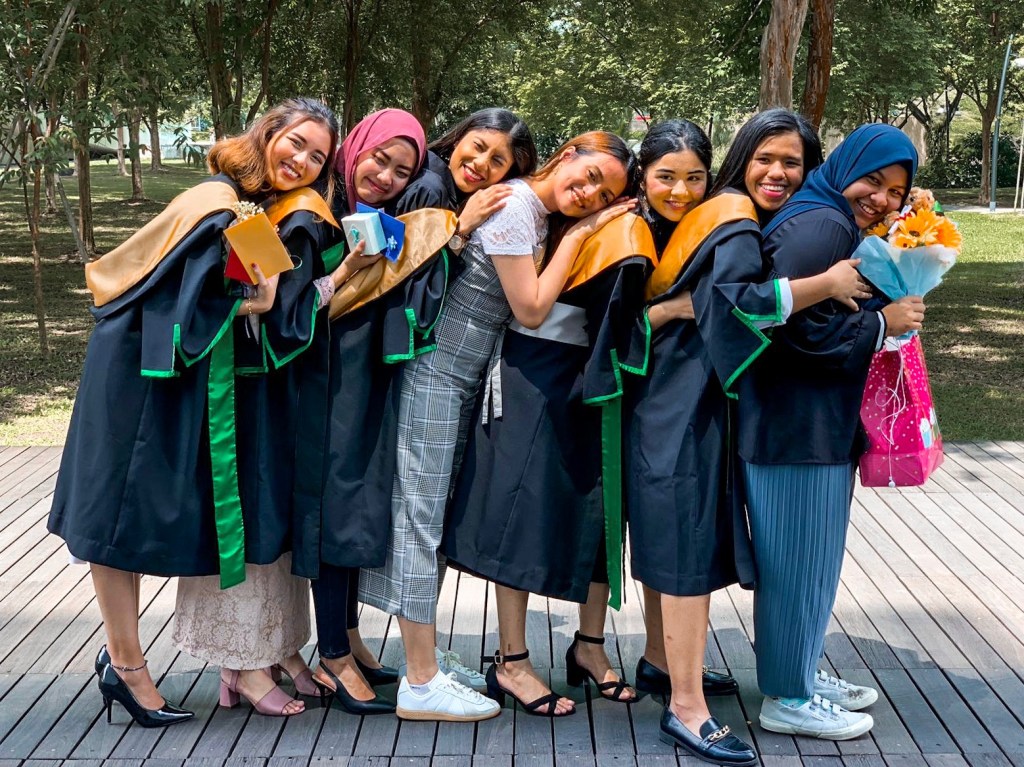
Graduation 2019
A photo of me and my friends during Graduation last year and before most of us start adulting 😦
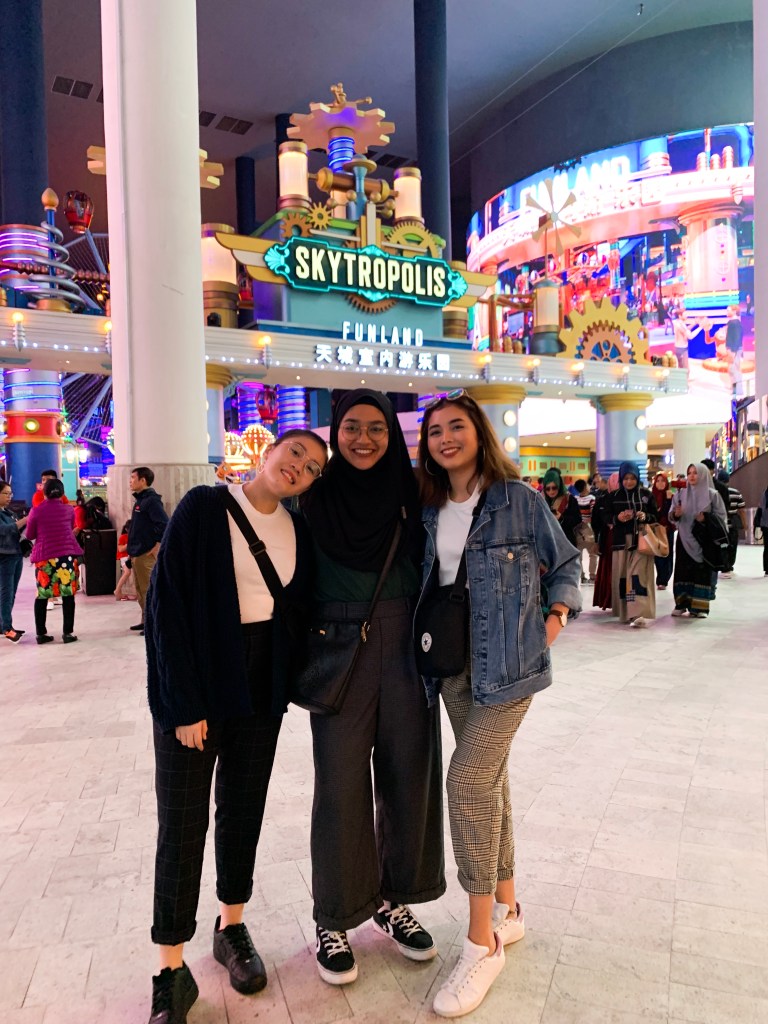
Grad trip to Genting!
My primary school friends and I (not full squad) went to Genting for a short trip!
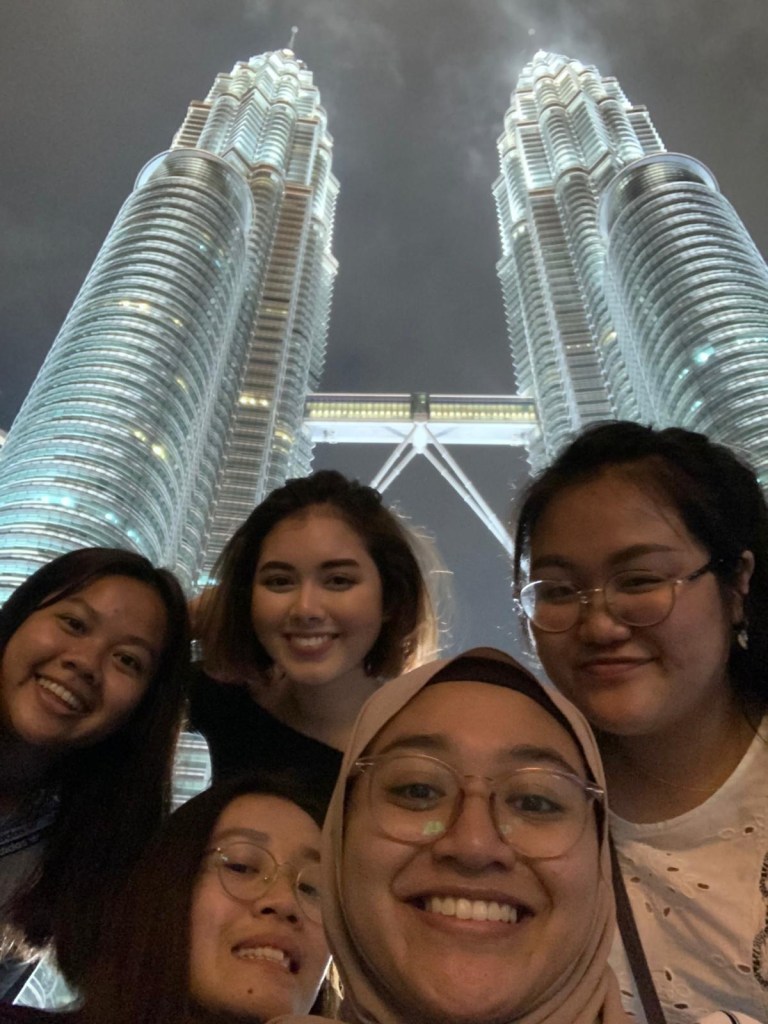
Full squad trip to Kuala Loco!! 🤪
Full squad in KL!!! We went there to visit our friend (far left) who was interning there! Haven’t been to KL in over a decade LOL
Why choose Psychology?
The reason why I decided on pursuing a Social Science degree; specifically in Psychology is that I am very interested on the behavioural patterns on different types of individuals and the psychological aspects of such behaviours. This degree enables me to learn more about Science, which I was not able to learn as much back in polytechnic and it’s not related to business, which was not my strong point. With my knowledge that I will acquire throughout the next few years, I will be able to connect more empathically with people as one of the aspects is the awareness of mental illnesses and disorders, which is considered a taboo subject for most people. I also feel that it is good to learn about modules that are not taught in common degrees such as business or management degrees that are available in all universities.
How will BCM110 help me in the future?
In conjunction with this module, in my opinion, media psychology will be useful for me in the future as I get to learn how media will affect people from every walks of life and the influence the media has on an individual’s behaviour. I can have a better understanding of how different people use media as a platform to express themselves. After gaining knowledge in this module, I will be able to fully utilise media platforms for a better outreach to my target audience. With this, they will be able to enjoy my content as it will bring meaning, is retable and last but not least, original.







 Aisah's Blog